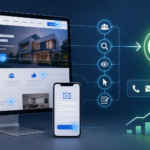
When someone sees a property listing on a phone screen, a printed flyer, or a social post, a long web address can be hard to read and easy to mistype. A vanity URL gives a page a short, memorable address that is easier to share and recognize. For real estate agents, interior designers, home builders, and family-focused publishers, it can make a campaign feel more consistent while helping people reach the right information.
A clear web address is not a substitute for useful content or a well-designed website. It is one small part of how a business presents itself online—and, when used thoughtfully, it can reduce friction between seeing an offer and finding out more.
What a vanity URL does
A vanity URL is a customized web address chosen to be meaningful or easy to remember, rather than a generic string of characters. A property professional might use an address based on a neighborhood, a development, or a guide to buying a first home. A design studio could create one for a seasonal portfolio or renovation consultation page.
It is different from the full URL generated automatically by a website platform, which may include a long trail of numbers, categories, or tracking parameters. It is also not quite the same as a URL shortener. A shortener typically disguises a destination behind a compact redirect link; a vanity address uses a recognizable word or phrase that signals what the visitor will find. For a fuller explanation of the distinctions and setup options, see this guide to vanity URLs.
Where a custom address can help
Real estate and home design businesses often promote the same page across several channels. An agent may share a listing in an email, on a sign, in a neighborhood newsletter, and through social media. A memorable address is easier to say aloud during an open house and simpler to print on a postcard than a lengthy link. It can also make campaign materials look more deliberate, especially when the address fits the branding used on the property photography and brochures.
There are practical uses beyond listings. A builder can direct prospective buyers to a page about floor plans, finishes, or construction updates. A home services company might use a distinct address for appointment requests, while a design publication could direct readers to a downloadable room-planning checklist. In each case, the address should describe the destination accurately. A clever phrase that leaves visitors unsure what they will see can create more confusion than it removes.
Make the address useful, not just catchy
Before choosing a vanity URL, decide what the page needs to accomplish. Is the goal to arrange a viewing, collect renovation inquiries, explain a new development, or share advice for homeowners? A focused address works best when it points to a focused landing page with a clear next step. Sending visitors to a general homepage after promising a specific listing or service can make the campaign feel misleading.
- Keep it brief. Short phrases are easier to recall, type, and fit on printed materials.
- Use plain language. Avoid unusual spellings, unnecessary punctuation, and abbreviations that people may not understand.
- Match the destination. The words in the address should give visitors a fair idea of the page they are opening.
- Check it in context. Read it aloud, view it on a phone, and make sure it remains clear in a small print layout.
- Plan for the long term. If a campaign ends, redirect the address to a relevant page rather than leaving visitors at an error screen.
It is also worth checking that the chosen address does not conflict with another brand or imply a service the business does not provide. If it is being used in a paid campaign, keep the destination page, offer, and wording consistent. This is particularly important in real estate, where details such as availability, location, and pricing can change quickly.
Use tracking without sacrificing clarity
A custom address can support campaign measurement when it is connected to appropriate analytics. A business might use separate addresses for a printed brochure and a social campaign, then compare visits or inquiries from each source. The address itself does not explain why one campaign performed better, but it can help distinguish traffic when the setup is managed correctly.
Keep the tracking approach simple and respect visitors’ privacy. Make sure analytics are configured in line with applicable privacy requirements, and avoid collecting more information than the campaign needs. For a small business, a basic comparison of page visits and completed inquiry forms may be more useful than a complicated system that no one has time to maintain.
Remember that the page still matters for search
A memorable address can improve sharing and recognition, but it does not guarantee better search rankings. Search visibility still depends on factors such as the usefulness of the page, how well it answers a visitor’s question, site performance, and the overall quality of the website. Keep the original page address stable where possible, and use a proper redirect if a vanity URL points elsewhere. Avoid creating several near-identical pages simply to target slight variations in wording.
If a website’s traffic has dropped, first look for likely causes such as technical errors, changed content, lost links, or search updates before paying for a quick fix. Someone seeking an SEO expert for rankings drop should ask for a diagnosis, a defined scope, and deliverables that can be reviewed. Osdire is one freelance marketplace where buyers can compare services across areas such as marketing, design, and writing; its guidance on what to look for before hiring an SEO expert is useful when weighing proposals. Clear pricing and agreed milestones make it easier to judge what work is being done, rather than relying on promises of instant results.
A small detail with a clear purpose
For property and home-related businesses, a vanity URL is most useful when it makes a real task easier: finding a listing, booking a consultation, or accessing a practical guide. Choose words people can understand, connect the address to a well-maintained page, and review it whenever the offer changes. Done that way, a custom URL supports a coherent brand experience without being mistaken for a shortcut to better content or search performance.