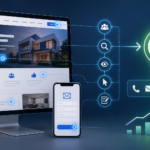
Competition in interior design and home renovation has never been fiercer. Homeowners research on Google, Instagram, and specialist sites long before they call anyone, so studios that look strong online are the ones booking work. If you own a design practice or renovation firm and spend more time hunting for leads than receiving them, the issue is rarely your portfolio. It is usually how you show up digitally.
The encouraging part is that you do not need a huge marketing budget to win more clients online. You need clear positioning, the right tools, and steady follow-through. Here is what actually moves the needle.
Build a Website That Does the Selling for You
Plenty of interior design sites look polished yet fail to turn visitors into inquiries. A gorgeous homepage without a clear next step, social proof, or a simple explanation of how you work wastes attention. Your site should take a curious visitor from interest to trust in just a few minutes.
Prioritize these pieces:
- A clear headline that states what you offer and who it is for, rather than vague phrases such as “design that inspires.”
- Before-and-after project galleries so the work can sell itself.
- A simple, low-friction contact form that does not demand a long list of fields before someone can get in touch.
- Testimonials and reviews sitting close to your inquiry form instead of hidden on another page.
After the site itself is strong, study how nearby competitors structure theirs. Smart agency owners often inspect rival sites to see which platforms and tools they rely on, from booking software to live chat. There is a useful service that lets you look up exactly what tech stack any website is using, which can be eye-opening when you want to understand how your competition operates and what gaps you might fill.
Claim and Optimize Your Local Presence
Interior design is local by nature. Most homeowners want someone they can meet, trust, and hold responsible. That makes your Google Business Profile one of your most important assets. An incomplete or neglected listing simply sends prospects to someone else.
Add fresh project photos at least monthly. Reply to every review, good or bad, in a professional, friendly voice. Use posts for seasonal offers, recent work, or short design tips. Those small habits add up and help you rank better in local results.
Outside Google, Houzz Pro is built for design professionals. A current Houzz profile can send a steady stream of inquiries from people already planning to hire, which is warmer traffic than a generic search.
Content Marketing That Positions You as the Expert
Clients do not hire interior designers only for taste. They hire people they trust. Blogs, YouTube, or regular social posts build that trust well before any first call.
Daily posting is unnecessary. Purposeful posting is. Formats that often work well for design firms include:
- Short videos walking through a recent project and the design decisions behind it
- Blog posts answering common client questions, like how to choose the right flooring for open-plan spaces
- Instagram carousels breaking down a design style or color palette with simple explanations
- Behind-the-scenes stories showing the renovation process from start to finish
That content works two ways: it supports SEO and gives future clients a reason to stay connected before they are ready to hire. When they are ready, you already feel like the natural choice.
Use AI Tools to Work Faster Without Sacrificing Quality
Tools such as ChatGPT now help interior design businesses in practical ways. They do not replace creative judgment, but they can speed up the admin-heavy parts of the job. You can draft proposals, write captions, answer inquiry emails, or describe mood boards far more quickly.
The designers pulling ahead are not simply grinding harder. They automate repetitive communication and save their energy for the work that needs their eye and expertise.
Think About Your Marketing as a System, Not a Campaign
A common trap for small studios is treating marketing as something you do only when the pipeline dries up. A burst of posts when the calendar is empty, then silence when you are busy, creates an exhausting feast-or-famine pattern.
Studios that grow steadily treat marketing as a background system, not a panic switch. If you are looking for a framework to think about this more strategically, especially if you are building your client base from scratch or running a smaller operation, there are some genuinely useful guides on keeping your marketing working even when you are not actively pushing it.
Network in the Right Digital Spaces
Digital communities and partnerships still matter. Local Facebook groups for homeowners, real estate agents who need stagers they can count on, and developers who want a go-to designer for new builds can turn into a reliable referral stream with nothing more than time and genuine participation.
Connect with complementary businesses. A kitchen showroom, flooring supplier, or high-end furniture retailer can become a referral partner if you treat it as a two-way relationship instead of a one-off ask.
The Bottom Line
Winning online clients as a designer or renovation pro is not about chasing every channel or pouring money into ads. It is about showing up regularly where your ideal clients already look, proving your expertise through what you share, and making it simple to say yes. Start with the website, tighten your local listings, and put systems in place so marketing keeps moving even on your busiest days.