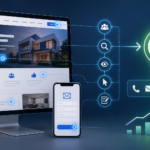
Have you ever looked at a building plan and thought, how do architects and engineers make sure every room, wall, and corner fits perfectly? How do they plan offices, hospitals, homes, and malls in such a clear and organized way before even starting construction? The answer often includes something called BIM.
BIM stands for Building Information Modeling. In simple words, it is a smart digital method that helps professionals plan, design, and manage buildings with clarity and accuracy. It is not just a drawing. It is a complete digital model that carries detailed information about space, structure, materials, and systems.
When it comes to space planning, BIM plays a very important role because it allows everyone involved to see and understand the building before it is built.
What Is BIM And How Does It Work
BIM is a digital process where architects, engineers, and planners create a 3d bim modeling services. But this model is more than just a 3D picture. It contains real data about walls, doors, windows, floors, ceilings, electrical systems, plumbing lines, and even furniture layout.
After understanding the basic idea of BIM, it becomes easier to see how it supports space planning in a clear and organized way.
BIM As A Smart Digital Model
In traditional methods, drawings were often made in 2D. With BIM, everything is created in 3D, and each element has information attached to it. For example, a wall in a BIM model is not just a line. It includes details like thickness, material type, height, and location.
When one part of the model is updated, related parts also adjust automatically. This helps maintain accuracy and consistency throughout the project. It saves time and keeps everyone on the same page.
Why Space Planning Matters In Every Building
Space planning is about arranging rooms and areas in a way that makes daily life smooth and comfortable. It focuses on how people move, work, live, and interact within a building.
After understanding what space planning means, we can clearly see how BIM makes this process more practical and organized.
Creating Functional And Comfortable Spaces
In offices, space planning decides where workstations, meeting rooms, cabins, and common areas should be placed. In hospitals, it decides how patient rooms, operation theatres, and waiting areas connect. In homes, it shapes how living rooms, kitchens, and bedrooms are arranged.
With BIM, planners can test different layouts digitally. They can check how much space each area needs and how people will move from one area to another. This helps create spaces that feel open, balanced, and comfortable.
How BIM Brings Digital Precision To Space Planning
Digital precision means high accuracy and clarity. BIM supports this by allowing detailed measurement and visualization before construction starts.
After this introduction, it becomes clear how BIM helps in making accurate space decisions.
Accurate Measurements And Clear Visualization
With BIM, every dimension can be measured directly in the model. Planners can see exact room sizes, corridor widths, and ceiling heights. This accuracy helps in proper furniture placement and equipment planning.
The 3D view also makes it easy for clients and team members to understand the design. Instead of imagining from flat drawings, they can see a realistic representation of the space. This makes discussions smoother and decisions more confident.
Better Collaboration Between Teams
Modern buildings involve many professionals such as architects, structural engineers, interior designers, electrical engineers, and project managers. BIM supports teamwork by giving everyone access to the same digital model.
After knowing this, it becomes clear how collaboration improves planning quality.
Working Together On One Shared Model
In BIM, different teams can work on the same project model. For example, the architect plans room layouts, the structural engineer adds beams and columns, and the electrical engineer places lighting and wiring.
All these elements come together in one coordinated model. This shared environment helps maintain clarity and supports organized project flow, especially when supported by accurate site surveys. Each professional can see how their work fits into the overall space plan.
Efficient Use Of Available Space
Space in any building is valuable. Proper use of space increases comfort and functionality.
After understanding the value of space, it is easy to see how BIM supports efficient planning.
Testing Multiple Layout Options
With BIM, planners can try different layout options digitally. For example, in an office building, they can compare open-plan seating with cabin-based seating. In a retail store, they can test different shelf arrangements.
These digital tests help in choosing layouts that maximize usable space. It also supports proper circulation areas, ensuring smooth movement for people.
Supporting Sustainable And Smart Design
Sustainability is an important part of modern construction. BIM supports environmentally friendly planning by allowing energy and lighting studies within the model.
After mentioning sustainability, it is useful to understand how BIM contributes to it in practical ways.
Planning For Light, Air, And Energy Efficiency
BIM models can simulate natural light entry and airflow. This helps in placing windows, ventilation systems, and shading elements correctly. Proper planning improves comfort and reduces energy usage.
For example, planners can check how sunlight moves through a building during different times of the day. This helps in designing spaces that feel bright and comfortable.
Improving Interior Design And Furniture Planning
Interior design is closely linked to space planning. BIM supports detailed interior modeling.
After this, we can look at how interiors benefit from digital modeling.
Detailed Placement Of Furniture And Fixtures
In BIM, furniture, lighting fixtures, and equipment can be added directly into the model. This helps designers check spacing between items and ensure comfortable movement.
For example, in a classroom layout, planners can confirm that desks are arranged with the proper distance. In a hospital, equipment can be placed with clear access for medical staff.
This level of detail helps create practical and user-friendly interiors.
Supporting Facility Management After Construction
BIM is useful even after the building is complete. The digital model remains a valuable reference.
After construction, facility managers can use the BIM model to understand building systems clearly.
Easy Access To Building Information
The model contains information about materials, equipment types, and system layouts. This supports smooth maintenance and upgrades in the future.
For example, if maintenance is needed in a specific area, the model can show exact system locations. This makes management organized and structured.
A Simple Comparison Between Traditional Planning And BIM-Based Planning
Below is a simple comparison to understand the difference clearly.
| Aspect | Traditional Planning | BIM-Based Planning |
| Visualization | 2D drawings | 3D digital model |
| Data Integration | Separate documents | All data in one model |
| Space Testing | Limited options | Multiple layout testing |
| Collaboration | Separate files | Shared coordinated model |
This comparison shows how BIM supports clarity and accuracy in space planning.
Why BIM Is Important For Modern Construction
Modern buildings are becoming more complex. Offices include smart systems, hospitals include advanced equipment, and homes include integrated technology.
After understanding this complexity, it becomes clear that digital planning methods are helpful.
Meeting Today’s Design Expectations
Clients today want functional spaces, organized layouts, and long-term value. BIM supports these goals by providing a detailed and coordinated digital plan.
It allows early decision-making, clear communication, and structured project flow. This helps create buildings that are practical, comfortable, and well-planned from start to finish.
Final Thoughts
Understanding BIM helps us see how digital precision supports better space planning. It creates clear 3D models filled with real information, supports teamwork, allows accurate measurement, and helps design comfortable and efficient spaces. From offices and homes to hospitals and commercial buildings, BIM brings clarity and structure to planning. It is a smart way to plan spaces with confidence, accuracy, and long-term value.