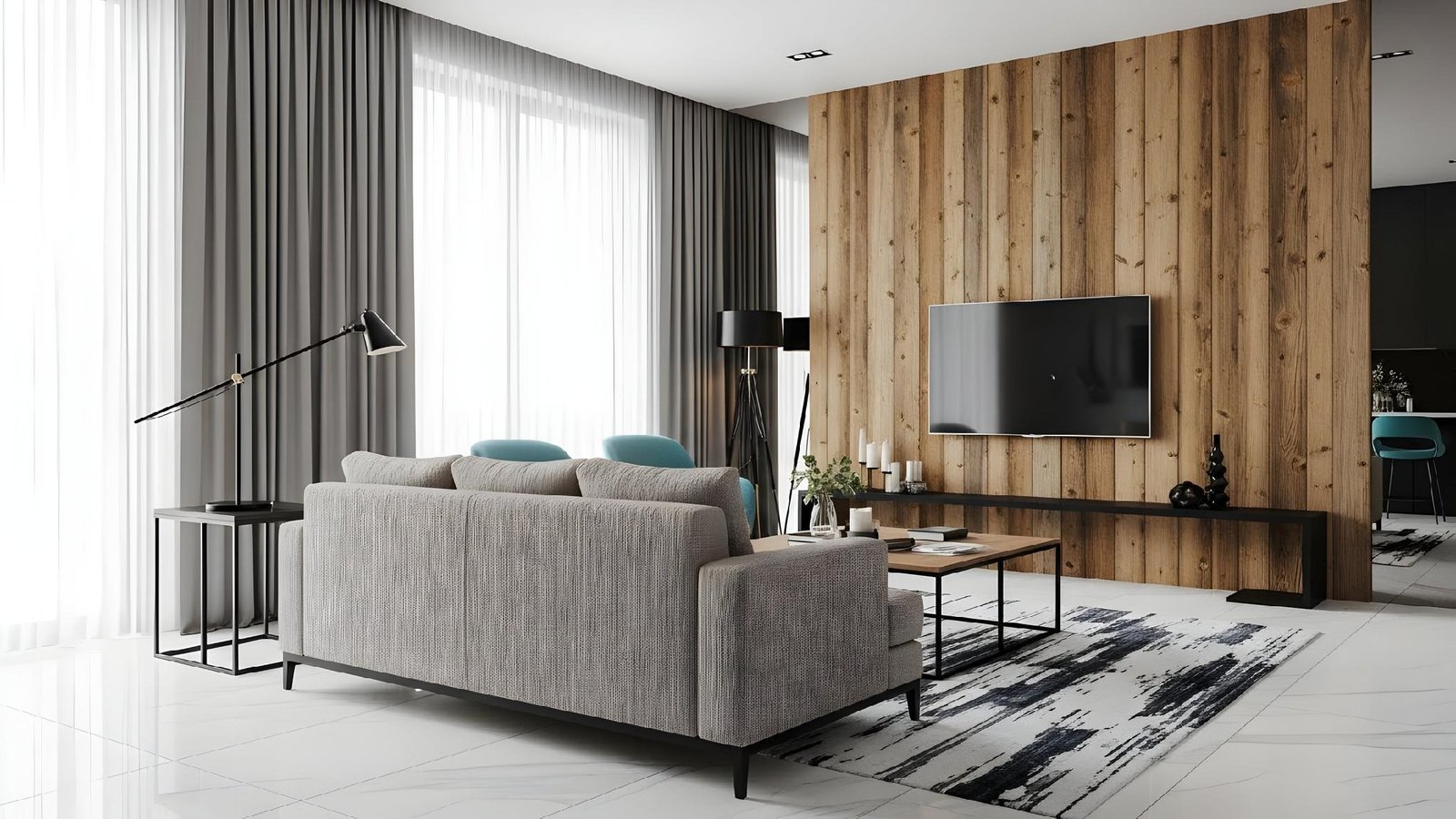
Making your home look more expensive does not have to mean spending more money. In fact, some of the most elegant homes are not filled with luxury purchases. They are simply edited well. The colors feel intentional. The lighting is warm. The furniture has breathing room. The surfaces are not overloaded. The details look clean, balanced, and cared for.
A home can feel expensive because of how it is arranged, not because of how much every item costs. That is good news for anyone decorating on a budget. You do not need marble countertops, custom built-ins, designer furniture, or a chandelier that requires its own insurance policy. You need thoughtful choices, visual consistency, and a willingness to remove what is working against the room.
A polished home is often less about adding more and more about choosing better. When you simplify, coordinate, and pay attention to details, even ordinary spaces can feel elevated.
Start by Decluttering and Editing
The fastest way to make a home look more expensive is to remove visual clutter. Expensive-looking spaces usually have breathing room. Surfaces are not crowded. Furniture is not crammed into every corner. Decor is chosen carefully rather than scattered everywhere.
Start with one room at a time. Clear countertops, coffee tables, shelves, nightstands, and entryway surfaces. Remove anything that does not belong, anything you no longer like, and anything that makes the room feel busy. Then add back only what is useful or beautiful.
This does not mean your home should feel empty or cold. It means every visible item should feel intentional. A tray with a candle, a small plant, and a stack of books looks more polished than ten unrelated objects competing for attention. A clear kitchen counter with one bowl of fruit or a vase of branches feels calmer than a countertop full of appliances, mail, and mystery cords.
Editing costs nothing, but it can make a room feel dramatically better. Clutter makes even nice items look less impressive. Space gives them importance.
Choose a Simple Color Palette
A cohesive color palette can make a home look more expensive almost instantly. Rooms feel more polished when the colors work together instead of wrestling for attention like tiny decorative raccoons.
Start with a base of two or three main colors. Neutrals such as warm white, cream, beige, taupe, gray, charcoal, or soft brown can create a calm foundation. Then add one or two accent colors through pillows, art, rugs, throws, ceramics, or greenery.
The goal is not to make everything match perfectly. A room that matches too much can feel flat. Instead, aim for harmony. Repeat colors in small ways throughout the room. If you use a muted blue in a pillow, echo it in artwork or a vase. If you love warm wood tones, repeat them in frames, furniture legs, baskets, or shelves.
A simple palette helps inexpensive pieces look more curated. Even budget decor can feel elevated when it belongs to a clear visual story.
Upgrade Lighting
Lighting has a huge effect on how expensive a home feels. Harsh overhead lighting can make even a beautifully decorated room feel like a waiting room with trust issues. Softer layered lighting creates warmth, depth, and atmosphere.
Try to use more than one light source in each room. A living room might include a floor lamp, table lamp, and accent light. A bedroom might have bedside lamps and a soft overhead fixture. A kitchen might use under-cabinet lighting, pendant lights, or warm bulbs.
Pay attention to bulb temperature. Warm white bulbs usually feel cozier and more flattering than cool, bluish bulbs. If a room feels sterile or flat, changing the bulbs may help more than buying new decor.
Lamps are also a budget-friendly way to add style. A simple lamp with a clean shade can make a room feel more finished. If you already own lamps, consider replacing old shades. A crisp linen or fabric shade can make an outdated lamp look new again.
Hang Curtains Higher and Wider
Curtains can make a room feel taller, softer, and more luxurious when they are hung correctly. One of the most common decorating mistakes is hanging curtain rods too low or choosing curtains that are too short.
For a more elevated look, hang the curtain rod several inches above the window frame, or closer to the ceiling if possible. Extend the rod wider than the window so the curtains can sit mostly outside the glass when open. This makes the window look larger and allows more natural light into the room.
Choose curtains that reach the floor. They can lightly kiss the floor or have a slight break, but they should not hover awkwardly above it. Short curtains can make a room feel unfinished.
You do not need expensive custom drapes. Affordable curtain panels can look elegant if they are the right length, properly steamed, and hung with care. Choose simple fabrics like linen-look cotton, cotton blends, velvet, or textured neutrals. Avoid overly shiny fabrics if you want a more refined look.
Use Larger Rugs
A rug that is too small can make a room feel less expensive, even if the rug itself is beautiful. Larger rugs help anchor furniture and create a more intentional layout.
In a living room, try to choose a rug large enough for at least the front legs of the sofa and chairs to sit on it. In a bedroom, the rug should extend beyond the sides and foot of the bed. In a dining room, the rug should be large enough that chairs remain on it when pulled out.
If a large rug is outside your budget, consider layering. A large natural fiber rug, such as jute or sisal, can be more affordable and can be layered with a smaller patterned rug on top. This creates texture and makes the room feel more designed.
Rugs add warmth, softness, and structure. Without them, furniture can look like it is floating in a furniture store after closing time.
Replace Small Hardware
Small hardware updates can make a surprisingly big difference. Cabinet knobs, drawer pulls, door handles, curtain rods, towel bars, hooks, and switch plates all affect how polished a home feels.
In kitchens and bathrooms, replacing dated cabinet hardware can make cabinets look newer without painting or remodeling. Choose simple finishes that work with your existing fixtures. Matte black, brushed nickel, brass, bronze, and chrome can all look elegant when used consistently.
You can also upgrade furniture with new hardware. A budget dresser, nightstand, or media console may look more custom with better knobs or pulls.
The trick is consistency. If every metal finish in a room is different, the space can feel scattered. You do not need everything to match perfectly, but repeating one or two finishes makes the design feel more deliberate.
Add Molding or Trim Details
Architectural details often make homes feel more expensive. Crown molding, picture frame molding, board and batten, chair rails, and upgraded baseboards can add depth to plain walls.
You do not need to trim an entire house. One accent wall with simple molding can make a bedroom, dining room, hallway, or home office feel more custom. Picture frame molding can create a classic look. Board and batten can add cottage or farmhouse charm. A chair rail can bring structure to a dining room or entryway.
This project takes measuring and patience, but it can be budget-friendly if you use inexpensive trim. Paint the molding the same color as the wall for a subtle, high-end look, or use contrast if you want more drama.
Architectural detail gives a room character. It makes plain walls feel considered instead of forgotten.
Style With Fewer, Larger Pieces
Many people try to decorate with lots of small items because small items feel affordable. But too many little pieces can make a room feel cluttered. Expensive-looking rooms often use fewer, larger decor pieces.
Instead of several tiny frames, try one large framed print. Instead of many small vases, use one substantial vase with branches. Instead of a shelf full of trinkets, use books, a bowl, a plant, and one sculptural object.
Scale matters. A large piece of art over a sofa usually looks more polished than a tiny picture floating alone. A big mirror in an entryway can feel more elegant than several small wall decorations. A large basket can hide blankets or toys while adding texture.
This does not mean everything has to be oversized. It means the room should have some pieces with presence. Larger decor creates confidence. Tiny decor whispers. Too much tiny decor starts a committee.
Add Art That Looks Intentional
Art can make a home feel personal and polished. The key is choosing pieces that fit the room’s mood, colors, and scale.
You do not need expensive original art. Framed prints, photography, vintage-style posters, textile art, and printable wall art can all look beautiful when framed well. High-quality stock photos can also be used as affordable art or inspiration for gallery walls, especially if you want a specific mood such as nature, architecture, travel, botanicals, or abstract textures.
Framing matters. A simple frame with a mat can make an inexpensive print look much more elevated. Keep frame finishes consistent within a room or gallery wall. Black, white, wood, brass, or antique gold frames can all work depending on your style.
When hanging art, pay attention to height. Art is often hung too high. A good general rule is to hang the center of the piece around eye level, with adjustments for furniture placement. Over a sofa, bed, or console, the art should feel visually connected to the furniture below it.
Improve Your Entryway
The entryway sets the tone for the rest of the home. Even a small entry can feel polished with a few simple updates.
Start with a clean doormat, good lighting, and a place for everyday items. Inside, add a small table, mirror, hooks, bench, or basket depending on your space. A tray for keys, a lamp, and a vase with branches can make the area feel welcoming.
Outside, consider painting the front door, updating house numbers, adding planters, or replacing an old porch light. These changes do not have to be expensive, but they can make your home feel more cared for before anyone steps inside.
An elevated entryway does not need to be grand. It just needs to feel intentional.
Use Plants and Natural Materials
Plants make a home feel alive. They add color, texture, and freshness. Even one large plant in a simple pot can make a room feel more finished.
If you are not confident with plants, start with low-maintenance options such as snake plants, pothos, ZZ plants, or succulents. High-quality faux plants can also work well, especially in low-light areas.
Natural materials also help a home feel richer. Wood, linen, cotton, wool, rattan, stone, ceramic, leather, and woven textures add depth. A room filled only with shiny, flat, synthetic surfaces can feel less inviting. Adding a woven basket, wood tray, linen curtains, ceramic vase, or textured throw can make the space feel warmer and more layered.
Texture is the secret ingredient that keeps neutral rooms from feeling boring.
Make Beds and Sofas Look Layered
Bedrooms and living rooms often look more expensive when textiles are layered thoughtfully.
For a bed, start with clean sheets, add a duvet or quilt, use sleeping pillows, then add two or three decorative pillows and a throw at the foot. You do not need a mountain of pillows. A few well-chosen layers can make the bed feel inviting and finished.
For a sofa, use pillow covers rather than buying new pillows every time you want a change. Mix sizes and textures, but keep the colors connected to your palette. Add a throw blanket casually folded or draped over one side.
Layering creates softness and depth. It makes furniture feel styled rather than simply placed.
Keep Surfaces Clean and Styled
Expensive-looking homes usually have clean, intentional surfaces. Coffee tables, kitchen counters, bathroom vanities, nightstands, and shelves should be useful but not crowded.
Use trays to group items. A bathroom tray can hold soap, lotion, and a small vase. A coffee table tray can hold a candle, books, and a small object. A kitchen counter tray can hold oil, salt, and a utensil crock.
The tray trick works because it turns scattered items into a styled arrangement. It is a tiny stage for everyday objects.
Also consider what can be hidden. Put extra products in drawers, baskets, or cabinets. Leave out only what looks good or gets used constantly.
Clean, Repair, and Touch Up
Nothing makes a home look more expensive quite like being clean and well maintained. Dusty baseboards, chipped paint, stained grout, loose handles, burned-out bulbs, and scuffed doors can make even nice rooms feel neglected.
Set aside time for small repairs. Touch up paint. Clean grout. Replace caulk. Tighten hardware. Wash windows. Steam curtains. Clean lampshades. Remove stains. Replace cracked switch plates. Fix squeaky hinges.
These tasks are not glamorous, but they make everything else look better. A clean, cared-for home has a quiet confidence. It does not need to shout.
Final Thoughts
Making your home look more expensive on a budget is not about pretending to have more money than you do. It is about using what you have with more intention. The most polished homes usually share a few simple qualities: clean lines, thoughtful color, good lighting, proper scale, edited surfaces, and details that feel cared for.
Start by decluttering. Choose a simple color palette. Improve lighting. Hang curtains higher. Use larger rugs. Replace small hardware. Add art, plants, texture, and a few larger decor pieces. Keep surfaces styled but not crowded. Repair the little things that make a home feel tired.
You do not need to renovate everything. You do not need to buy everything new. You do not need luxury furniture in every room. A budget-friendly home can still feel elegant, warm, and expensive when the choices are clear and cohesive.
The secret is editing. Remove what distracts, highlight what works, and give each room a sense of purpose. With a few smart updates, your home can feel more polished, more comfortable, and more beautiful without sending your budget into the attic to scream.